Shop
SHOP-IT
COMPRE COM FACILIDADE /BUY WITH EASE
View productInternational edition
Markets · Politics · History
 Mente forte, finanças inteligentes
An independent perspective
Shop
COMPRE COM FACILIDADE /BUY WITH EASE
View product
Shop
COMPRE AQUI
View productThe Senate passed the public security amendment unanimously and Lula says a new Ministry of Public Security is coming. Here is what changes, who objects and what to watch.
By Psycho of Finance
Published by Psycho of Finance
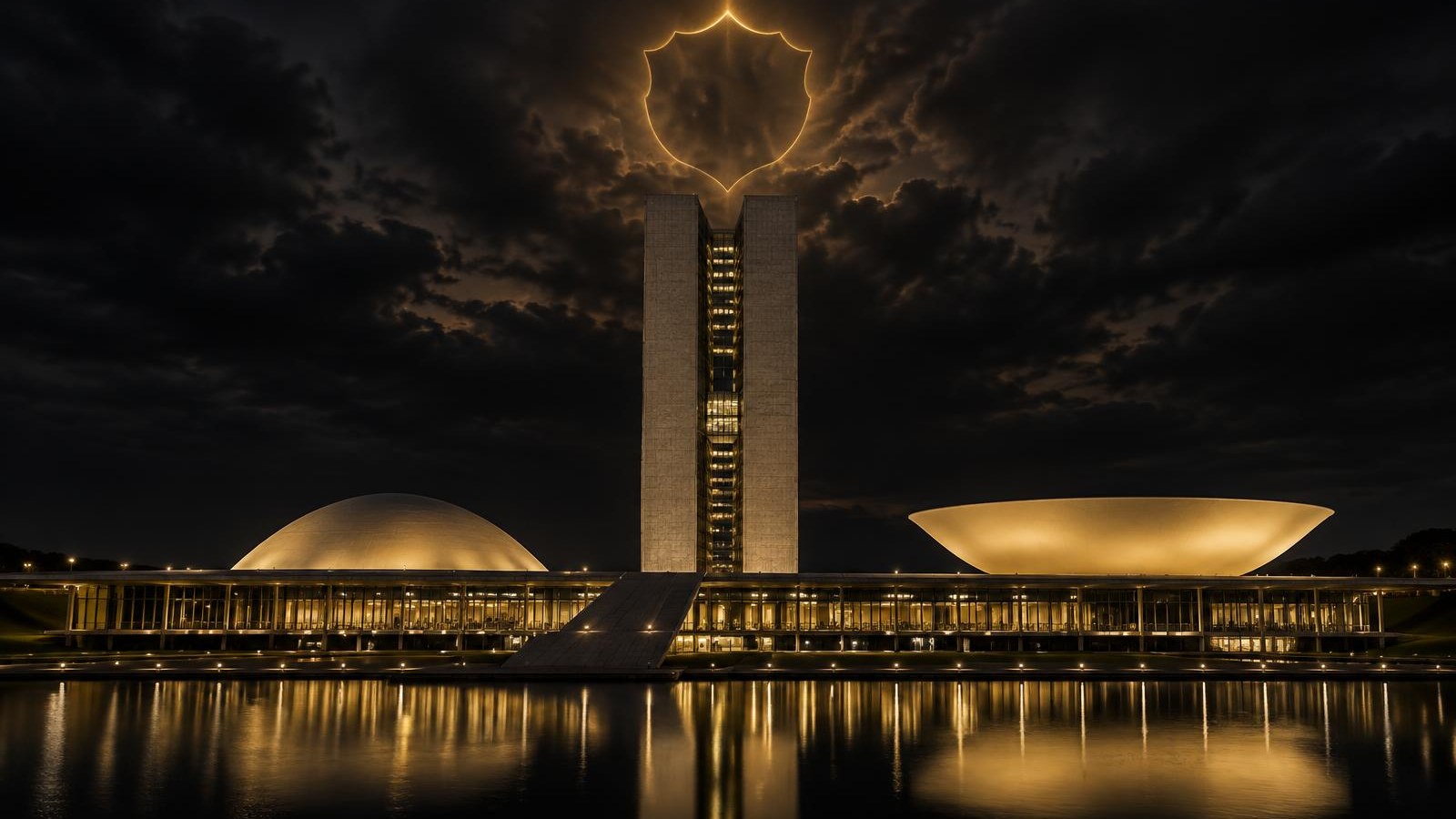
On 3 November, Brazil's Senate approved a public security amendment that reshapes how the federal government, the states and the cities fight organized crime. Two days later, President Lula said he will create a new Ministry of Public Security. This guide explains what the amendment changes, where the disagreements are and what still has to happen, based on reporting available on 9 November 2026.
The Senate passed the amendment, known as PEC 18/2025, in two rounds with 73 and 75 votes in favor, and no votes against. The opposition voted for the main text. Because it is a constitutional amendment, it takes effect when the leaders of the Chamber and the Senate promulgate it in a joint session, with no need for presidential approval. As of reports on 6 November, that step was still pending.
The amendment puts the Unified Public Security System, known as Susp, into the Constitution. In practice it requires the different police and security bodies to work together under a model of federal cooperation, in the way the national health system works for hospitals.

The most heated debate was not about police structure but about the age of criminal responsibility. The opposition, led by Senator Rogério Marinho, wanted to lower it from 18 to 16, and to 14 for the most serious crimes. Senator Camilo Santana, the government's Senate leader, offered a milder version for 16-year-olds in heinous crimes only. To keep the amendment from stalling, the Senate voted 38 to 36 to separate those proposals. They now move as a separate amendment, and the Chamber of Deputies has a special committee studying a proposal to lower the age to 16. The Senate president said the Chamber's president promised a vote in November. Separating the topic is a procedural decision, not a ruling on whether the age should change.
On 5 November, Lula said that he will send a provisional measure creating a federal Ministry of Public Security, with the aim of coordinating security policy with states and cities. For now, security sits inside the Ministry of Justice and Public Security. A provisional measure takes effect as soon as the president signs it, but Congress must approve it within 120 days or it lapses. The details, including the minister and the budget, were still to be discussed at the time of reporting. The plan also comes after the United States designated two large Brazilian criminal factions, the Comando Vermelho and the Primeiro Comando da Capital, as terrorist organizations in May 2026.
Supporters say the Union lacked a legal basis to coordinate security nationally, and that dedicated, protected funding and shared standards are overdue. The unanimous Senate vote shows unusually broad backing.
Objections come from several directions:
The amendment is approved, but several steps remain before it changes daily policing.

Brazil has approved a major rewrite of how its security institutions cooperate, but the hardest parts, including the age of criminal responsibility, the new ministry and the rules for municipal police, are still ahead. Following each step on its own terms is the best way to see what actually changes.
This article reflects reporting available on 9 November 2026 and may change as events develop.
An Enem essay on public health, a civil defense post that sparked a blackout rumor and a novela accused of stereotypes: what went viral in Brazil this week and what the facts say.
Lula was re-elected, Flávio Bolsonaro contests the result and a new electoral case targets the winning ticket. Here is what is established, what is alleged and what to watch.
Most of the world's trade moves by sea, and a surprising share of it squeezes through five narrow passages. Here is where they are, why they matter, and how they move markets.