Shop
SHOP-IT
COMPRE COM FACILIDADE /BUY WITH EASE
View productInternational edition
Markets · Politics · History
 Mente forte, finanças inteligentes
An independent perspective
Shop
COMPRE COM FACILIDADE /BUY WITH EASE
View product
Shop
COMPRE AQUI
View productLula was re-elected, Flávio Bolsonaro contests the result and a new electoral case targets the winning ticket. Here is what is established, what is alleged and what to watch.
By Psycho of Finance
Published by Psycho of Finance
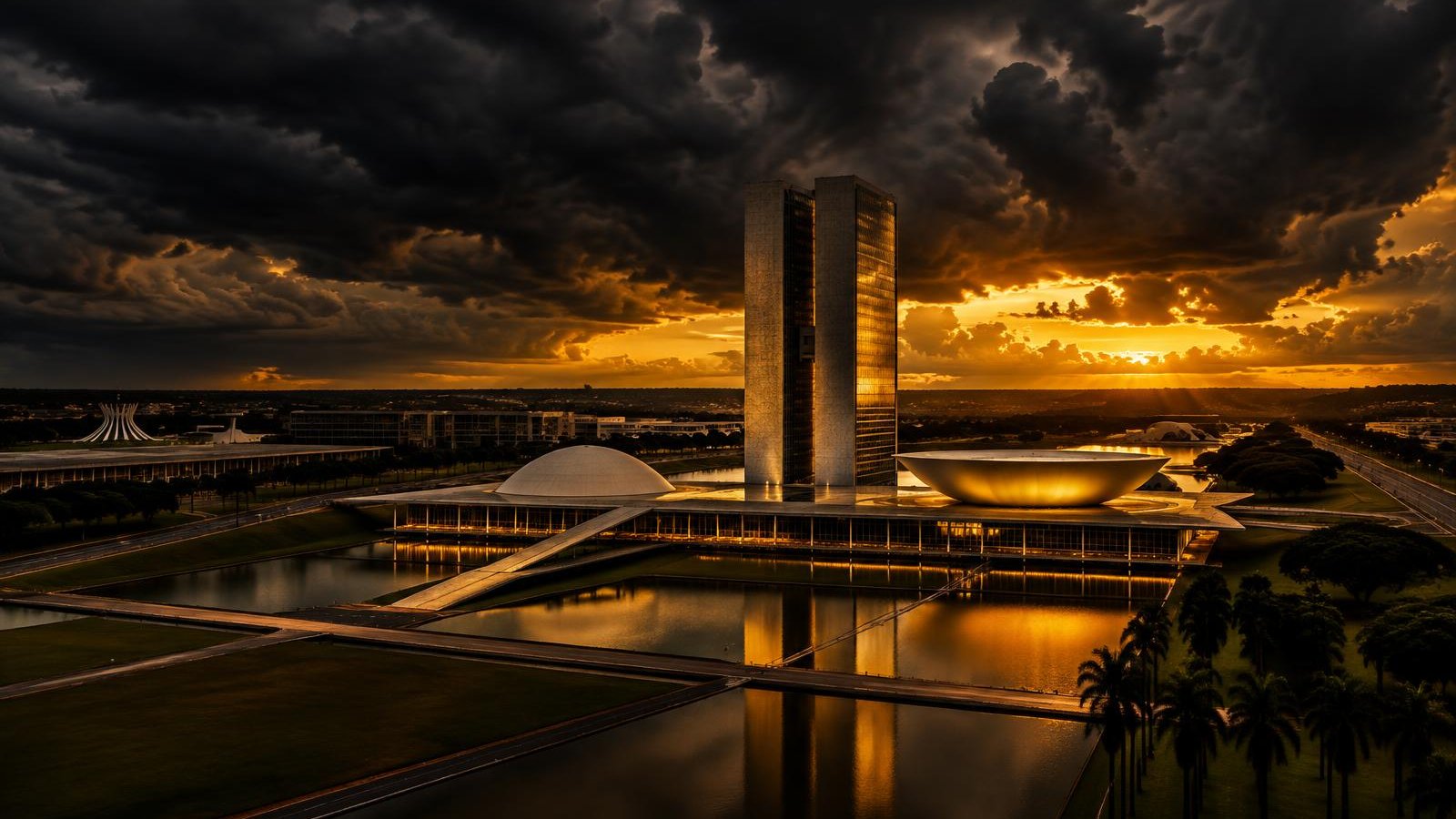
The runoff of 25 October is over, but the political fight in Brazil is not. Lula was re-elected, Flávio Bolsonaro disputes the result, the electoral authorities reject claims of fraud and a new case at the electoral court targets the winning ticket. This guide separates what is established from what is only alleged, based on reporting available on 8 November 2026.
Lula won the runoff with about 51.8 percent of valid votes against about 48.2 percent for Flávio Bolsonaro, a margin of roughly 4.4 million votes. In the first round on 4 October, Flávio had led, with about 47 percent against about 45 percent. The president of the Superior Electoral Court, Kassio Nunes Marques, who was appointed to the Supreme Court by Jair Bolsonaro, confirmed the result to both candidates.

Flávio Bolsonaro said he does not recognize the result and that his legal team would seek annulment, citing anomalies on election day. Later, speaking from Florida, he argued that nobody, including the court's president, can say with total certainty that there was no fraud.
The electoral court has repeatedly called the vote fair, and electoral authorities have reported no irregularities. On 7 November, Supreme Court Justice Gilmar Mendes said the fraud claims were in vain, pointing to audits of the voting system and 179 observers from the Organization of American States. The OAS and dozens of foreign leaders recognized Lula's victory.
The day after the vote, Supreme Court Justice Alexandre de Moraes ordered Flávio Bolsonaro to surrender his regular and diplomatic passports. The Associated Press reports that prosecutors suspect funds from a banker were used to pay expenses of his brother Eduardo Bolsonaro and to promote Flávio's political agenda with the Trump administration, according to documents it reviewed. Flávio denies wrongdoing, and allies of the family question the justice's impartiality, pointing to the timing of the order.
Reuters reported, citing an ally, that Flávio left Brazil for the United States. He denies fleeing and says he left to protect his family. A senior State Department official told the AP that he and his family would be granted US visas. His father, Jair Bolsonaro, is serving a 27-year sentence under house arrest for attempting a coup after the 2022 election.
On 5 November, the electoral court's inspector-general, Justice Ricardo Villas Bôas Cueva, admitted a case filed by the Novo party against Lula and Vice President Geraldo Alckmin. Novo challenges 35 provisional measures and decrees issued between 1 January and 16 October 2026 that created or expanded benefits, and says 12 of them came during the official campaign period. Examples cited include fuel subsidies and a 15.04 percent increase to a social benefit program 17 days before the first round.
Novo asks the court to annul the ticket's registrations or diplomas and to bar both men from running for eight years, sanctions that require a finding of serious abuse of political power. Lula and Alckmin have five days to file a defense. Admitting a case is a procedural step, not a finding of wrongdoing, and both are presumed innocent. Advisers in the Planalto presidential palace say privately that they do not expect a negative outcome.
The United States became part of the story. Analysts at the Observer Research Foundation note that US tariffs, sanctions on Justice de Moraes and the terrorist designation of Brazil's largest criminal factions helped Lula campaign on national sovereignty. Donald Trump said the runoff looked like another rigged election, without offering evidence, and Reuters reported that State Department officials campaigned to return the Bolsonaros to power, which the department denies.
In an online livestream with federal deputy André Janones, reported on 8 November, Lula admitted weaknesses in his campaign and credited ordinary supporters rather than strategists for the runoff win.
Brazil has a clear electoral result confirmed by its electoral authorities, a loser who contests it, a separate case about the winners' use of government power and a foreign-policy layer that raises the stakes. The three tracks move at different speeds. Following each on its own terms is the best way to avoid being misled by the noise.
This article reflects reporting available on 8 November 2026 and may change as events develop.
An Enem essay on public health, a civil defense post that sparked a blackout rumor and a novela accused of stereotypes: what went viral in Brazil this week and what the facts say.
The Senate passed the public security amendment unanimously and Lula says a new Ministry of Public Security is coming. Here is what changes, who objects and what to watch.
Most of the world's trade moves by sea, and a surprising share of it squeezes through five narrow passages. Here is where they are, why they matter, and how they move markets.