Shop
SHOP-IT
COMPRE COM FACILIDADE /BUY WITH EASE
View productInternational edition
Markets · Politics · History
 Mente forte, finanças inteligentes
An independent perspective
Shop
COMPRE COM FACILIDADE /BUY WITH EASE
View product
Shop
COMPRE AQUI
View productFor years Bitcoin followed a rhythm tied to its halvings. Then spot ETFs arrived. We look at what the halving does, what the ETFs changed and what the record says about risk.
By Psycho of Finance
Published by Psycho of Finance

Bitcoin has one of the most discussed supply schedules in finance. About every four years, the reward miners receive for adding a block is cut in half. For over a decade this "halving" has anchored a popular theory about market cycles. In 2024 a second big force arrived: US-listed spot Bitcoin ETFs. Together they raise a fair question: is the old cycle still the right map?
Bitcoin's protocol caps total supply at 21 million coins. New coins are issued as block rewards, and that reward halves every 210,000 blocks, roughly every four years.
The effect is a predictable slowdown in new supply. The next halving is expected around 2028. Because the schedule is public and fixed, it is often described as programmed scarcity, in contrast to central banks that can expand money supply.
In earlier cycles, price tended to rise for roughly a year or more after a halving, peak, and then fall sharply. Drawdowns from the peaks of 2017 and 2021 were around 80 percent or more at their worst. Traders built a whole playbook around the pattern.
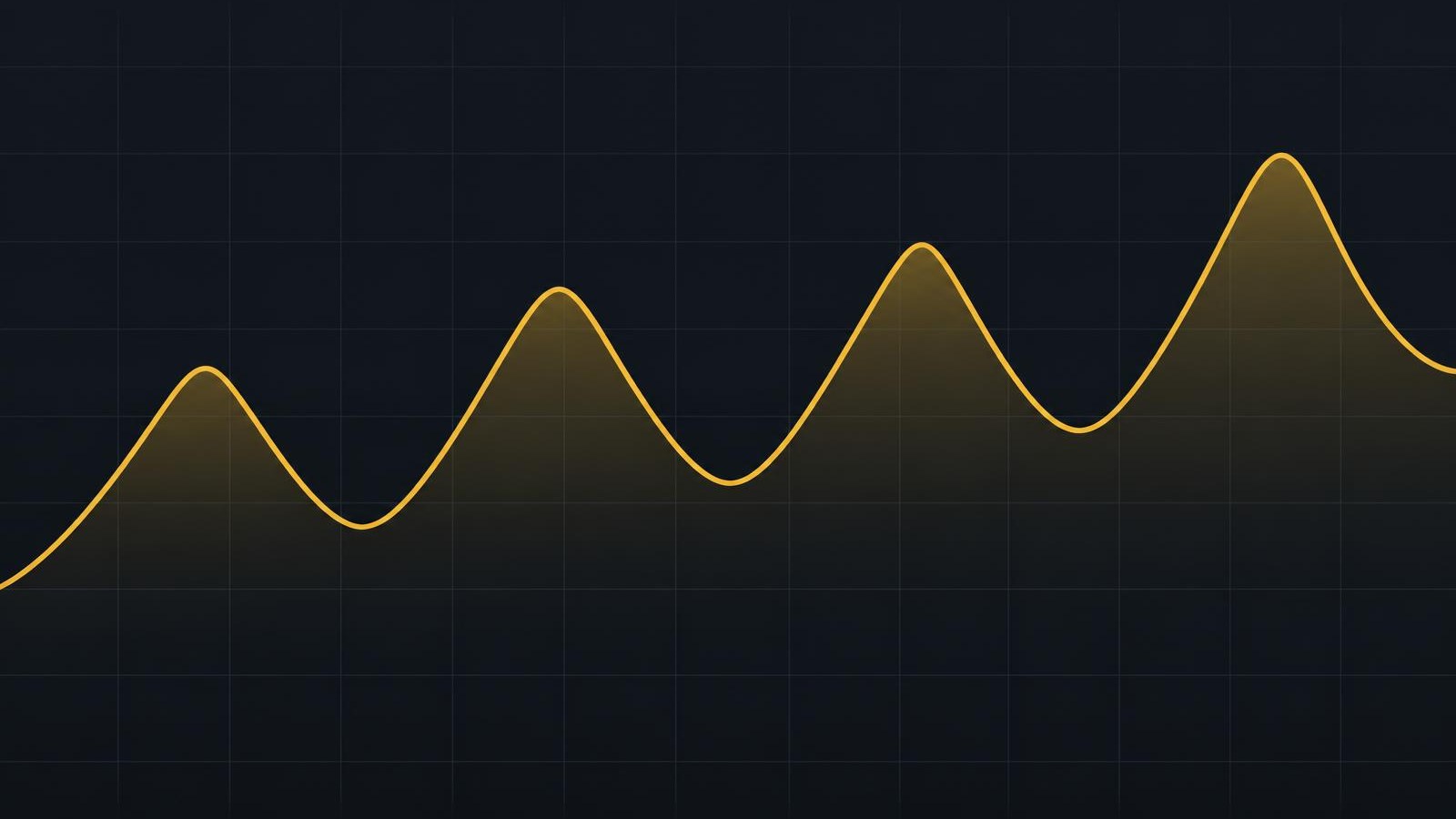
Skeptics point out that the sample is tiny, only a few cycles. Halving timing also overlapped with other forces such as global liquidity, interest rates and leverage in the crypto system. Correlation is not proof that halvings alone drive price.
In January 2024 the SEC approved the first US spot Bitcoin ETFs, letting ordinary investors and institutions gain exposure through a regulated brokerage account without holding coins themselves. Spot Ether ETFs followed later in 2024. These products brought large, relatively sticky pools of capital into the market, and changed who the marginal buyer is.
Notably, Bitcoin reached a new all-time high before the April 2024 halving, which had not happened in earlier cycles. Many analysts took that as a sign the market was maturing, while others argued the timing was simply different, not the structure.
Bitcoin trades as a risk asset more often than as a hedge. Phases of cheap money and falling real yields have favored it, and tightening cycles have hurt it, as in 2022. That is why watching interest rates and central bank policy is as relevant to crypto as the halving calendar.
The halving still defines Bitcoin's supply, and ETFs changed who can buy it. Whether the four-year rhythm survives is an open question, and anyone claiming certainty is guessing. The record says that big gains and big losses both belong to the same asset.
This article is educational and is not financial advice. Crypto assets are highly volatile and you can lose all of your investment.
From MiCA enforcement in Europe to Hong Kong's licensing regime, the global crypto rulebook is finally taking shape — and the divergence matters.
Drawdowns of 30%+ are the price of admission. Whether this one is structural or cyclical depends on flows, not headlines.