Shop
SHOP-IT
COMPRE COM FACILIDADE /BUY WITH EASE
View productInternational edition
Markets · Politics · History
 Mente forte, finanças inteligentes
An independent perspective
Shop
COMPRE COM FACILIDADE /BUY WITH EASE
View product
Shop
COMPRE AQUI
View productA confused announcement on live television opened the most famous border of the Cold War in a single evening. Here is how it happened and what came next.
By Psycho of Finance
Published by Psycho of Finance
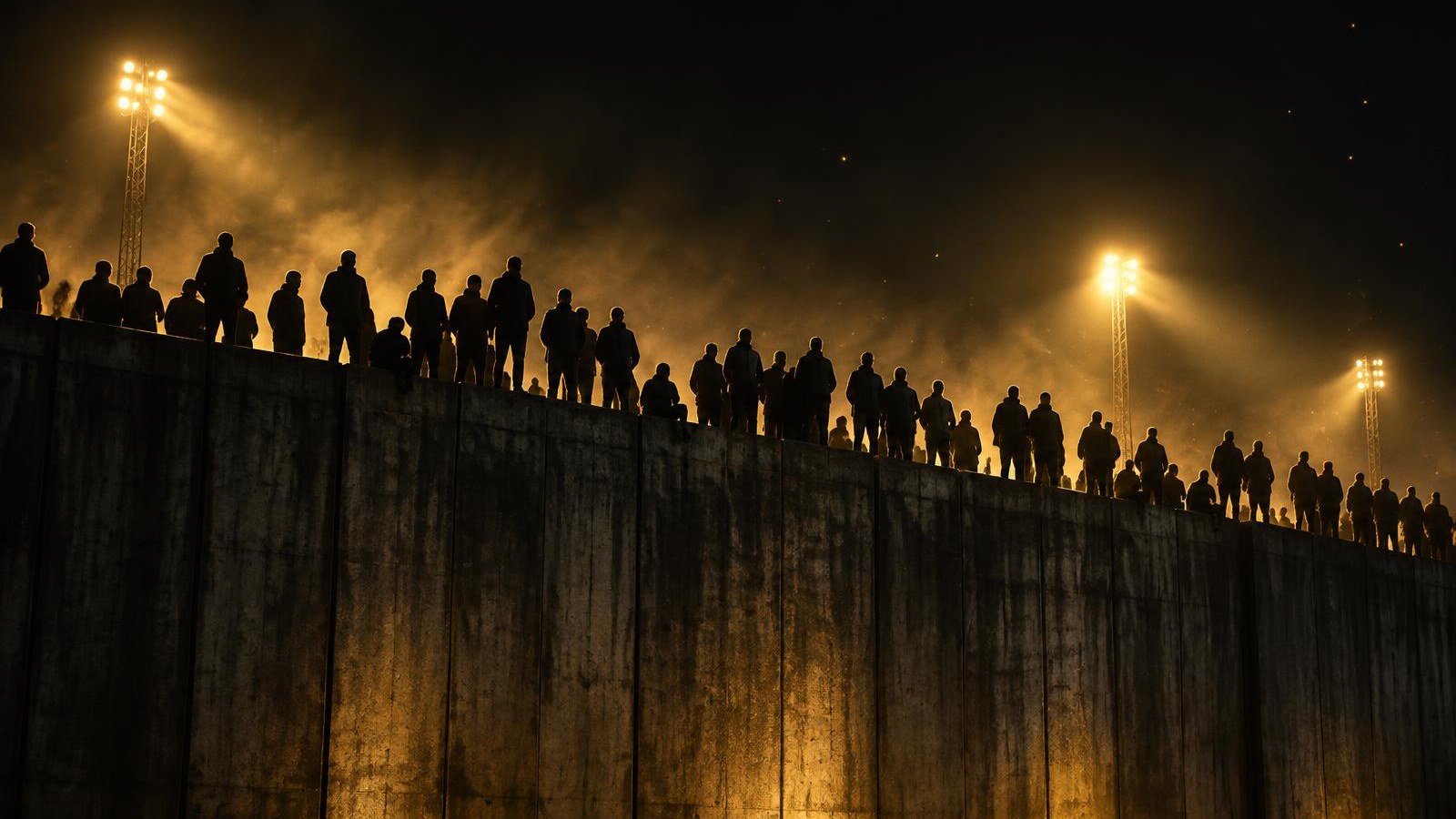
On the evening of 9 November 1989, an East German spokesman read out a new travel rule at a press conference, and within hours the Berlin Wall, the most famous symbol of the Cold War, was open. It had stood for 28 years. Nobody planned it to happen that way, which is what makes the night so remarkable.
East Germany built the Wall in August 1961 to stop its citizens from leaving for the West through Berlin, where the border between the Soviet and Western sectors was still open. Millions had already left. The barrier grew from barbed wire into concrete walls, watchtowers and a guarded border strip. Most estimates say at least 100 people died trying to cross it in Berlin.
By 1989, change was spreading across the Eastern Bloc. In May, Hungary began opening its border with Austria, and thousands of East Germans used that route, or went through Czechoslovakia, to reach the West. At home, mass protests grew in cities such as Leipzig. In October, Erich Honecker, East Germany's long-time leader, was replaced by Egon Krenz, who looked for ways to release the pressure.
On 9 November, the leadership approved a regulation meant to make it easier for East Germans to travel abroad and emigrate. The intent was an orderly process with visas. Günter Schabowski, the party spokesman, who had received the paper only shortly before, read it out at a live televised press conference that began at 6 p.m.
Asked when the rule took effect, he answered that, as far as he knew, it applied immediately. Reporters took this to mean the borders were open that night. Broadcasts in both Germanys repeated the news, and crowds gathered at the checkpoints. At the Bornholmer Straße crossing, border guards with no clear orders were outnumbered by thousands of people and opened the gate. Other crossings followed. Not a shot was fired.
Later that night, a leading West German news anchor told viewers that the gates in the Wall stood wide open. Crowds climbed on top of the Wall at the Brandenburg Gate.
The night shows how a system that looks permanent can change in hours once trust and fear break down. Sudden turns also mark market history, as our guide to financial bubbles shows: long periods of apparent stability, then a fast reversal. The lesson is not to predict the exact day, but to respect how quickly the unexpected can happen.
This article is a historical summary for general information.
In 1944, delegates from 44 nations rebuilt the world's money around the US dollar. Here is how Bretton Woods worked, why it broke down and what it left behind.
Every boom feels different from the inside. Four centuries of bubbles, from Dutch tulips to crypto tokens, show the same pattern and the same warning signs.
The mechanics of 1929 — leverage, concentration, and policy paralysis — rhyme uncomfortably with 2026.